
Alcoholic beverages fermented from spent coffee grounds
Opportunity
Coffee drinks are becoming popular all over the world. Instant coffee, brewed coffee, blended coffee drinks ...... about which there is not any lack of coffee making, and this process also produces a lot of coffee waste. This invention uses the coffee waste as substrate, which was fermented with commercial yeasts to produce a tasty coffee-flavored alcoholic beverage.
SCG is the residue remaining after coffee brewing and instant coffee manufacturing. Huge amounts of SCG generated every year (19.6 million tons/year) is discarded as food waste and causes serious environmental hazards. Rising concerns about the negative effects of SCG on environment drive the new development of processing in SCG via more environmentally-friendly and valuable ways in food industries.
In our invention, SCG beverages are made by yeast fermentation and this invention valorizes the food waste (SCG) into high value beverages with natural fruit flavors. The invented product can also be labeled as “natural”, increasing the premium and marketability of this invention to beverage companies.
Technology
This invention relates to the valorization of spent coffee grounds (SCG) and its preparation thereof. Hydrolyzed SCG is fermented with commercial wine yeast to produce alcoholic beverages. A range of flavor compounds, organic acids, and a certain amount of ethanol are generated in the SCG alcoholic beverages. The SCG alcoholic beverages present pleasant aroma with different alcohol contents, which can be utilized in the development of specialty alcoholic beverages from a side (waste) stream of coffee processing in food industry.
SCG hydrolysates were prepared by citric acid (food grade acid) rather than non-food grade sulfuric acid.
•The SCG medium was fermented by both commercial wine yeast, non-Saccharomyces (Kluyveromyces thermotolerance Concerto) and Saccharomyces yeast (Saccharomyces cerevisiae MERIT).
•Addition of yeast extracts as assisted nutrients.
•The fermentation condition is static at 20 °C for 22 days instead of incubating in a rotary shaker at 30 °C, 200 rpm.
•The desirability of the final product rests more on the SCG beverage (aroma, non-volatile content, lower alcohol,<10%).
This method of producing SCG alcoholic beverages is an environmentally-friendly and economical way to valorize the SCG. This can also convert the SCG into potential popular beverages to obtain benefits for manufacturers.
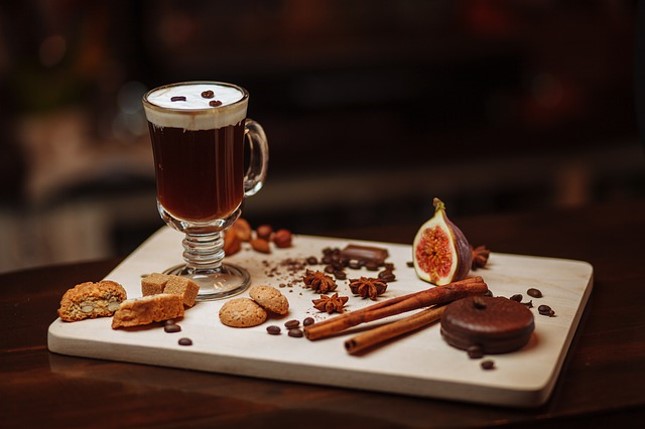
The Hydrolyzed SCG is fermented with alcohol producing yeast to produce alcoholic beverages.

Download
